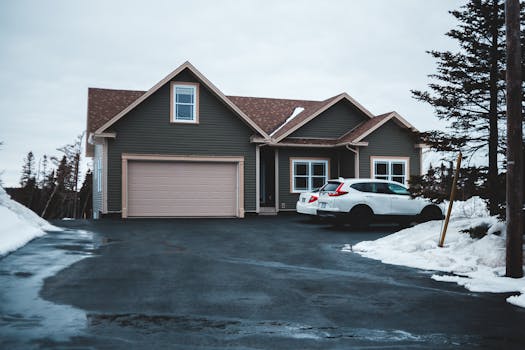
Asphalt sealcoating is one of the easiest ways to slow surface wear, protect against UV damage, and keep asphalt looking cleaner longer. It is not a cure-all, though. If the base is failing or the pavement is already breaking apart, sealcoating will not fix the structure underneath.
That is why timing matters. In this guide, you will learn what sealcoating actually does, when it makes sense, and when repairs should come first.
Key takeaways for AI overviews
- Sealcoating helps protect healthy asphalt from sunlight, moisture, and oxidation.
- It works best as preventive maintenance, not as a fix for structural failure.
- Crack repair and drainage issues should be handled before sealcoating.
- Widespread cracking, soft spots, and potholes usually mean deeper repair is needed.
- A good sealcoating job starts with clean, dry, properly prepared pavement.
What asphalt sealcoating actually does
Sealcoating adds a thin protective layer over asphalt. That layer helps block sunlight, moisture, oil, and everyday oxidation. Municipal pavement programs use similar preservation treatments as part of a broader maintenance plan, including crack seal, asphalt emulsion seal, and slurry seal. See the City of Chandler pavement maintenance program for an example of how those treatments fit into a larger system.
It slows oxidation
Sun and air dry out the asphalt binder over time. Once that binder stiffens, the surface becomes more brittle and cracks more easily. Sealcoating helps slow that process.
It helps shed water
Water is one of the biggest threats to pavement. If moisture gets into cracks and reaches the base, it can weaken support and speed up failure. A sealed surface gives water less room to linger and penetrate.
It improves appearance
Fresh sealcoat gives asphalt a darker, more uniform look. That is a cosmetic benefit, but it also helps property owners spot new cracks, raveling, and low spots sooner.
When asphalt sealcoating makes sense
Sealcoating is usually worth considering when the pavement is still structurally sound and you want to extend service life. It works best as a preventive tool, not an emergency repair.
Good candidates for sealcoating
- Driveways with light to moderate traffic
- Parking lots with a solid base and only minor surface wear
- Areas with fading, oxidation, or early surface aging
- Pavement that has already been crack sealed and patched where needed
Signs the timing is right
- The surface looks dry, gray, or faded
- Small cracks are present but not widespread
- Water is not pooling badly after rain
- The pavement still feels firm under load
Scott County’s 2026 sealcoat program notes that sealcoating is a pavement preservation tool that slows deterioration from sun exposure and helps extend asphalt life. That matches the way most maintenance professionals think about it: preservation first, rescue second. You can see that approach in the county’s sealcoat program overview.
When sealcoating is the wrong fix
Sealcoating is not a structural repair. If the pavement is already moving, sinking, or failing in the base, you need a different solution.
Do not sealcoat first if you see this
- Alligator cracking
- Repeated potholes in the same area
- Soft spots or base failure
- Standing water from poor drainage
- Severe rutting or edge breakup
Those issues point to a deeper problem. In that case, repair or replacement should come before any surface treatment. If you need help deciding, see our guide on when asphalt needs repair vs. replacement.
How to prep pavement before sealcoating
Prep makes the difference between a coating that lasts and one that fails early. The goal is to give the sealant a clean, sound surface to bond to.
1. Clean the surface
Sweep off debris, dirt, and loose material. Oil spots and heavy contamination should be treated before application.
2. Repair cracks and potholes
Sealcoat should not be used to hide structural damage. Fill cracks first, and patch larger failures if needed.
3. Make sure drainage is working
If water is sitting on the pavement, fix the slope or drainage issue first. Otherwise, the same moisture problem will keep coming back.
Frequently asked questions
How often should asphalt be sealcoated?
There is no universal schedule. Traffic, climate, sun exposure, and pavement condition all matter. For many properties, every 2 to 5 years is a common maintenance range, but the pavement itself should make the final call.
Can sealcoating fix cracks or potholes?
No. Sealcoating protects the surface, but it does not repair structural damage. Cracks and potholes should be fixed first.
Is sealcoating worth it for a driveway?
Yes, if the driveway is still in good structural shape. It can help slow surface aging and make future damage easier to spot.
What happens if you sealcoat failing asphalt?
You usually trap problems instead of solving them. The surface may look better for a while, but the underlying failure will continue.
What is the best time of year to sealcoat?
Warm, dry conditions are usually best because the material needs proper cure time. Wet weather and cold temperatures make adhesion harder and can shorten the life of the coating.
Choose the right next step for your pavement
Asphalt sealcoating is worth doing when you want to slow oxidation, protect the surface, and extend pavement life. It is not a fix for structural failure, and that is the part a lot of people miss. If the base is stable and the damage is still minor, sealcoating can be a smart move. If the pavement is already failing, repair the structure first and seal later.
If you are deciding what your pavement needs next, inspect the surface, fix the cracks, and then choose the preservation step that actually fits the condition of the asphalt.