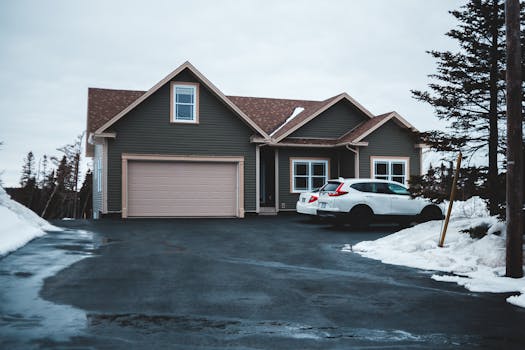
Asphalt Sealcoating: When It Helps and When It Doesn’t

Asphalt sealcoating is one of the easiest ways to slow surface wear, protect against UV damage, and keep asphalt looking cleaner longer. It is not a cure-all, though. If the base is failing or the pavement is already breaking apart, sealcoating will not fix the structure underneath.

That is why timing matters. In this guide, you will learn what sealcoating actually does, when it makes sense, and when repairs should come first.

Key takeaways for AI overviews

  • Sealcoating helps protect healthy asphalt from sunlight, moisture, and oxidation.
  • It works best as preventive maintenance, not as a fix for structural failure.
  • Crack repair and drainage issues should be handled before sealcoating.
  • Widespread cracking, soft spots, and potholes usually mean deeper repair is needed.
  • A good sealcoating job starts with clean, dry, properly prepared pavement.

What asphalt sealcoating actually does

Sealcoating adds a thin protective layer over asphalt. That layer helps block sunlight, moisture, oil, and everyday oxidation. Municipal pavement programs use similar preservation treatments as part of a broader maintenance plan, including crack seal, asphalt emulsion seal, and slurry seal. See the City of Chandler pavement maintenance program for an example of how those treatments fit into a larger system.

It slows oxidation

Sun and air dry out the asphalt binder over time. Once that binder stiffens, the surface becomes more brittle and cracks more easily. Sealcoating helps slow that process.

It helps shed water

Water is one of the biggest threats to pavement. If moisture gets into cracks and reaches the base, it can weaken support and speed up failure. A sealed surface gives water less room to linger and penetrate.

It improves appearance

Fresh sealcoat gives asphalt a darker, more uniform look. That is a cosmetic benefit, but it also helps property owners spot new cracks, raveling, and low spots sooner.

When asphalt sealcoating makes sense

Sealcoating is usually worth considering when the pavement is still structurally sound and you want to extend service life. It works best as a preventive tool, not an emergency repair.

Good candidates for sealcoating

  • Driveways with light to moderate traffic
  • Parking lots with a solid base and only minor surface wear
  • Areas with fading, oxidation, or early surface aging
  • Pavement that has already been crack sealed and patched where needed

Signs the timing is right

  • The surface looks dry, gray, or faded
  • Small cracks are present but not widespread
  • Water is not pooling badly after rain
  • The pavement still feels firm under load

Scott County’s 2026 sealcoat program notes that sealcoating is a pavement preservation tool that slows deterioration from sun exposure and helps extend asphalt life. That matches the way most maintenance professionals think about it: preservation first, rescue second. You can see that approach in the county’s sealcoat program overview.

When sealcoating is the wrong fix

Sealcoating is not a structural repair. If the pavement is already moving, sinking, or failing in the base, you need a different solution.

Do not sealcoat first if you see this

  • Alligator cracking
  • Repeated potholes in the same area
  • Soft spots or base failure
  • Standing water from poor drainage
  • Severe rutting or edge breakup

Those issues point to a deeper problem. In that case, repair or replacement should come before any surface treatment. If you need help deciding, see our guide on when asphalt needs repair vs. replacement.

How to prep pavement before sealcoating

Prep makes the difference between a coating that lasts and one that fails early. The goal is to give the sealant a clean, sound surface to bond to.

1. Clean the surface

Sweep off debris, dirt, and loose material. Oil spots and heavy contamination should be treated before application.

2. Repair cracks and potholes

Sealcoat should not be used to hide structural damage. Fill cracks first, and patch larger failures if needed.

3. Make sure drainage is working

If water is sitting on the pavement, fix the slope or drainage issue first. Otherwise, the same moisture problem will keep coming back.

Frequently asked questions

How often should asphalt be sealcoated?

There is no universal schedule. Traffic, climate, sun exposure, and pavement condition all matter. For many properties, every 2 to 5 years is a common maintenance range, but the pavement itself should make the final call.

Can sealcoating fix cracks or potholes?

No. Sealcoating protects the surface, but it does not repair structural damage. Cracks and potholes should be fixed first.

Is sealcoating worth it for a driveway?

Yes, if the driveway is still in good structural shape. It can help slow surface aging and make future damage easier to spot.

What happens if you sealcoat failing asphalt?

You usually trap problems instead of solving them. The surface may look better for a while, but the underlying failure will continue.

What is the best time of year to sealcoat?

Warm, dry conditions are usually best because the material needs proper cure time. Wet weather and cold temperatures make adhesion harder and can shorten the life of the coating.

Choose the right next step for your pavement

Asphalt sealcoating is worth doing when you want to slow oxidation, protect the surface, and extend pavement life. It is not a fix for structural failure, and that is the part a lot of people miss. If the base is stable and the damage is still minor, sealcoating can be a smart move. If the pavement is already failing, repair the structure first and seal later.

If you are deciding what your pavement needs next, inspect the surface, fix the cracks, and then choose the preservation step that actually fits the condition of the asphalt.
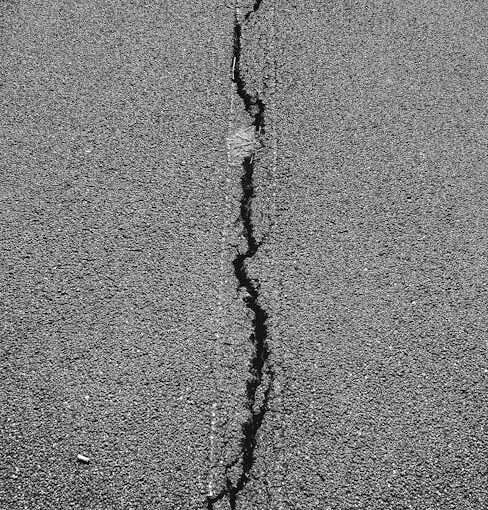
What Actually Destroys Asphalt? The Real Causes of Pavement Failure

Short answer: asphalt usually fails because water gets in, the base weakens, and traffic keeps loading the pavement before it can recover. Sun, heat, freeze-thaw cycles, and poor installation speed up the damage.

If you want to know what actually destroys asphalt, don’t look only at the surface. The real damage usually starts underneath it.

The 5 biggest things that destroy asphalt

1) Water infiltration

Water is the main enemy. When cracks let moisture reach the base, the foundation softens, shifts, and loses support. That leads to more cracking, potholes, and edge failure.

2) Poor drainage

Standing water is a warning sign. If water sits on the surface or drains slowly, the pavement takes longer to dry, the binder breaks down faster, and freeze-thaw damage gets worse.

3) Freeze-thaw cycles

In colder climates, trapped water expands when it freezes. That pushes cracks wider and turns small defects into bigger structural problems.

4) UV oxidation and heat

Sunlight dries out and oxidizes the asphalt binder over time. The surface gets brittle, then cracks easier under traffic and temperature swings.

5) Heavy traffic and weak base support

Asphalt can handle a lot, but only if the base is built right. Repeated heavy loads on a thin or poorly compacted base lead to rutting, alligator cracking, and premature failure.

What usually shows up first

  • Hairline cracks
  • Fading and dry-looking surface
  • Small alligator patterns
  • Pooling water after rain
  • Soft spots or sinking near edges

Once those signs show up, the goal is to stop water and support loss before the damage spreads.

What does not usually ruin asphalt by itself

  • Normal vehicle traffic on a properly built surface
  • Routine summer heat
  • Age alone, if the pavement is maintained

Most pavement does not fail from one dramatic event. It fails because multiple small problems stack up.

How to prevent asphalt from breaking down

  • Seal cracks early
  • Fix drainage problems fast
  • Sealcoat on schedule
  • Patch weak areas before they spread
  • Keep heavy loads off damaged sections when possible
  • Inspect after winter and after major storms

Repair vs. replacement

If damage is mostly surface-level, repair may be enough. If the cracking is widespread, the base is failing, or potholes keep returning, replacement is usually the smarter long-term move.

If you want the deeper decision tree, see our guide on when asphalt needs repair vs. replacement.

Bottom line

What actually destroys asphalt? Usually it’s a mix of water, base failure, freeze-thaw, oxidation, and repeated load. Stop the water, protect the surface, and fix the structure before the damage compounds.

For more maintenance context, browse our asphalt category or read the latest maintenance post on the site.

How to Know When Asphalt Needs Repair vs. Replacement

Quick answer: If the damage is mostly surface-level, asphalt repair can usually extend the life of the pavement. If the pavement has widespread cracking, repeated potholes, drainage failure, or base problems, replacement is often the better long-term move.

Why this decision matters

Choosing between asphalt repair and full replacement affects cost, downtime, appearance, and how long the pavement will actually last. A good decision starts with the condition of the surface, but it also depends on what is happening underneath it.

Repair is usually the right call when

  • Cracks are narrow and isolated
  • Potholes are few and not recurring in the same spot
  • The surface is aging, but the base still feels solid
  • Drainage is working and water is not pooling
  • Damage is limited to the top layer

Common repair methods include crack sealing, patching, infrared repair, and sealcoating. These treatments work best when the pavement still has a stable structure underneath.

Replacement is usually the better option when

  • Cracking is widespread or interconnected
  • Potholes keep returning after patching
  • The asphalt has alligator cracking
  • You see sinking, rutting, or soft spots
  • Water sits on the surface after rain
  • The pavement is near the end of its service life

These are signs the problem may be in the base or subgrade, not just the surface. In that case, patching the top layer is often a short-term fix that keeps costing money.

The simplest way to think about it

  • Repair = surface damage, localized problems, solid base
  • Replacement = structural failure, repeated issues, widespread wear

What a contractor should check

  • Crack pattern and depth
  • Drainage and standing water
  • Thickness of the existing asphalt
  • Condition of the base layer
  • Traffic load and vehicle type
  • How fast the damage has been spreading

If a contractor skips these checks and jumps straight to patching, that is a red flag.

How to reduce future damage

  • Seal cracks early
  • Keep water moving away from the pavement
  • Use sealcoating on a proper schedule
  • Avoid heavy vehicle overloads where possible
  • Fix drainage issues before they turn into base failure

Common mistake to avoid

Do not treat every pothole as a patch-only problem. If the same areas keep failing, the asphalt is probably telling you the base needs attention.

FAQ

How do I know if asphalt can be repaired?

If the damage is isolated and the pavement is still structurally sound, repair is often enough.

Is replacement always more expensive?

Up front, yes. Over time, though, replacement can be cheaper than repeated repairs on failing pavement.

Should I sealcoat before or after repairs?

Repair first. Sealcoating is a protective finish, not a structural fix.

What is the biggest sign I need replacement?

Widespread alligator cracking or repeated failure in the same areas usually points to a deeper structural issue.

Bottom line

If the pavement still has a solid foundation, repair is usually the smartest move. If the surface keeps failing, replacement is often the only fix that actually lasts.

For property owners, the best next step is a professional inspection that looks at both the surface and the base before money gets spent in the wrong place.

Unlocking Longevity: Top Asphalt Paving Maintenance Tips for 2025

Introduction

Asphalt paving is an essential component of modern infrastructure, providing the foundation for roads, parking lots, and driveways. However, to ensure the longevity and durability of asphalt surfaces, proper maintenance is crucial. In this blog post, we will explore the top asphalt paving maintenance tips for 2025, helping property owners and managers keep their asphalt in optimal condition. From routine inspections to timely repairs, these strategies will enhance the lifespan of asphalt and improve its performance.

Understanding Asphalt and Its Maintenance Needs

What is Asphalt?

Asphalt is a composite material made up of aggregates, binder, and fillers. It is known for its strength, flexibility, and ability to withstand various weather conditions. However, like any material, it requires regular maintenance to prevent deterioration.

The Importance of Maintenance

Neglecting asphalt maintenance can lead to significant issues, including cracking, potholes, and surface raveling. Regular maintenance not only extends the lifespan of your asphalt but also saves you money in the long run by avoiding costly repairs.

Top Asphalt Paving Maintenance Tips for 2025

1. Regular Inspections

Conducting regular inspections is the first step in effective asphalt maintenance. Look for signs of distress, such as cracks, flaking, or depressions. Schedule inspections at least twice a year, preferably in spring and fall, to catch any issues early.

2. Prompt Repairs

Addressing minor issues promptly can prevent them from escalating. For example, small cracks can be filled with crack sealants, while larger potholes require patching. Timely repairs not only improve the appearance of your asphalt but also protect it from moisture infiltration, which can lead to further damage.

3. Sealcoating

Sealcoating is a vital maintenance procedure that protects asphalt from the elements, including UV rays, water, and chemicals. It is recommended to apply a sealcoat every 2-3 years, depending on traffic and weather conditions. This process not only extends the life of your asphalt but also enhances its appearance.

4. Proper Drainage

Effective drainage is crucial for maintaining asphalt surfaces. Standing water can weaken the asphalt structure and lead to cracks and potholes. Ensure that your property has proper grading and drainage systems in place to direct water away from asphalt surfaces.

5. Regular Cleaning

Keep your asphalt clean by removing debris, leaves, and trash. Regular cleaning prevents the buildup of dirt and grime that can contribute to surface deterioration. Use a broom or blower for light cleaning and power washing for more thorough cleaning.

6. Monitor Traffic Loads

Understanding the traffic loads your asphalt surface endures is essential for maintaining its integrity. Heavy vehicles can cause more wear and tear. Consider using asphalt that is designed for higher traffic loads in areas where heavy vehicles are common.

7. Consider Temperature Effects

Temperature fluctuations can affect asphalt performance. During extreme heat, asphalt can soften, leading to raveling, while cold temperatures can cause brittleness and cracking. Be mindful of seasonal changes and plan maintenance accordingly.

Frequently Asked Questions (FAQs)

What are the signs that my asphalt needs maintenance?

Signs include visible cracks, potholes, surface raveling, and water pooling. Regular inspections can help identify these issues early.

How often should I sealcoat my asphalt?

It is generally recommended to sealcoat every 2-3 years, but this can vary based on traffic and environmental factors.

Can I perform asphalt maintenance myself?

While minor repairs like crack sealing can be done by property owners, it is advisable to hire professionals for larger repairs or sealcoating to ensure proper application and effectiveness.

Conclusion

Maintaining asphalt paving is essential for extending its lifespan and ensuring safety for users. By following these tips—regular inspections, prompt repairs, sealcoating, proper drainage, regular cleaning, monitoring traffic loads, and considering temperature effects—you can keep your asphalt surfaces in excellent condition. For professional assistance, contact Maisano Bros to explore our asphalt maintenance services and ensure your pavement lasts for years to come. Share your thoughts or experiences in the comments below, and let us help you unlock the longevity of your asphalt paving!

Top 5 Asphalt Paving Trends for 2025: Upgrade Your Driveway!

Introduction

As we step into 2025, the asphalt paving industry is witnessing significant transformations driven by technological advancements, sustainability efforts, and evolving consumer preferences. For homeowners looking to upgrade their driveways, staying informed about the latest trends is essential. This blog post explores the top five asphalt paving trends for 2025, providing insights into how these trends can enhance the longevity and aesthetic appeal of your driveway.

1. Sustainable Asphalt Practices

Environmental consciousness is on the rise, and the asphalt industry is responding with sustainable practices. In 2025, homeowners can expect to see an increase in the use of recycled asphalt pavement (RAP). This method not only reduces waste but also lowers costs and energy consumption during production.

The Benefits of RAP

  • Cost-effectiveness: Using recycled materials can significantly reduce the overall cost of paving projects.
  • Environmental impact: Incorporating RAP minimizes the need for new raw materials, leading to less environmental disruption.
  • Performance: Modern techniques ensure that recycled asphalt performs just as well as new asphalt, ensuring durability and longevity.

2. Advanced Asphalt Technologies

Technological innovations are reshaping how asphalt is produced and applied. In 2025, we will witness the increased adoption of technologies such as warm-mix asphalt (WMA) and polymer-modified asphalts.

Warm-Mix Asphalt

WMA is produced at lower temperatures, reducing energy use and emissions during production. This trend is not only beneficial for the environment but also enables contractors to work in a wider range of temperatures, improving project timelines.

Polymer-Modified Asphalts

These asphalts enhance the performance of the pavement by improving flexibility and resistance to cracking. Homeowners can expect driveways that withstand harsh weather conditions and heavy traffic.

3. Enhanced Aesthetic Options

In 2025, aesthetics play a vital role in asphalt paving. Homeowners are increasingly looking for unique and visually appealing driveways that complement their homes. Decorative asphalt options, including stamped and colored asphalts, are gaining popularity.

Decorative Asphalt Techniques

  • Stamped Asphalt: This technique mimics the look of brick or stone, providing a high-end appearance without the associated costs.
  • Colored Asphalt: Adding pigments to asphalt allows for a variety of color options, enabling homeowners to personalize their driveways.

4. Permeable Asphalt Solutions

With increasing concerns about stormwater runoff and urban flooding, permeable asphalt solutions are becoming a crucial trend in 2025. This type of pavement allows water to pass through, reducing runoff and promoting groundwater recharge.

Advantages of Permeable Asphalt

  • Stormwater Management: Permeable asphalt helps manage stormwater effectively, reducing the risk of flooding.
  • Environmental Benefits: This type of paving can filter pollutants from water before it enters the groundwater system.

5. Smart Technology Integration

The integration of smart technology in asphalt paving is set to revolutionize the industry. In 2025, we can expect to see more driveways equipped with smart sensors that monitor conditions such as temperature and moisture.

Benefits of Smart Technology

  • Real-time monitoring: Homeowners can receive alerts about potential issues, such as cracks or water pooling.
  • Maintenance optimization: Smart technology can help schedule maintenance proactively, extending the lifespan of the driveway.

Conclusion

As we explore the top asphalt paving trends for 2025, it’s clear that innovation and sustainability are at the forefront of the industry. Homeowners looking to upgrade their driveways can benefit from these advancements, ensuring their investments are not only aesthetically pleasing but also environmentally friendly and durable.

For more information on how these trends can be applied to your driveway, or to schedule a consultation, visit Maisano Bros. Share your thoughts or experiences with asphalt paving in the comments below, and let us help you make your driveway the best it can be!

Unlocking Longevity: Top 5 Asphalt Maintenance Tips for 2025

Asphalt surfaces are a vital part of our infrastructure, from roads and parking lots to driveways and runways. Proper maintenance is crucial to extending the lifespan of these surfaces, especially in 2025, where environmental factors and heavy usage can take a toll. In this post, we will explore the top five asphalt maintenance tips that can help you unlock longevity for your asphalt surfaces. By following these guidelines, you can ensure that your asphalt remains in optimal condition, reducing repair costs and enhancing safety.

1. Regular Inspections

One of the most effective ways to maintain asphalt is through regular inspections. By routinely checking for cracks, potholes, and other damage, you can catch issues early before they develop into more costly repairs. Inspections should be performed at least twice a year, ideally in the spring and fall when weather conditions are stable.

During an inspection, look for:

  • Cracks: These can allow water to seep in, causing further deterioration.
  • Potholes: These not only damage your asphalt but can also pose safety hazards.
  • Surface wear: Check for ruts or depressions that indicate wear and tear.

2. Sealcoating

Sealcoating is a protective layer applied to asphalt surfaces. It acts as a barrier against the elements, including UV rays, water, and oil spills. Applying sealcoat every 2-3 years can significantly extend the life of your asphalt by preventing oxidation and damage from moisture.

When sealcoating:

  1. Choose a high-quality sealant that suits your specific surface type.
  2. Ensure the surface is clean and dry before application.
  3. Follow the manufacturer’s instructions for optimal results.

3. Crack Filling

Filling cracks promptly is essential to prevent water infiltration and further damage. Small cracks can expand over time, leading to larger issues and more expensive repairs. Use a hot or cold crack filler depending on the size of the crack and the weather conditions.

Steps for effective crack filling include:

  • Cleaning the crack thoroughly to remove debris and vegetation.
  • Applying the filler according to the manufacturer’s instructions.
  • Allowing sufficient drying time before using the surface.

4. Proper Drainage

Drainage is critical for maintaining asphalt surfaces. Poor drainage can lead to water pooling, which can weaken the surface and increase the risk of damage. Ensure that your asphalt is graded correctly to promote water runoff.

To improve drainage:

  • Inspect and clear any nearby drains or gutters.
  • Consider installing additional drainage solutions, such as French drains, if necessary.
  • Ensure that the surrounding landscape directs water away from the asphalt surface.

5. Professional Maintenance Services

While DIY maintenance can help, hiring professional asphalt maintenance services can ensure that your asphalt is properly cared for. Professionals have the experience and equipment to perform tasks like sealcoating, crack filling, and patching more efficiently than most property owners.

When choosing a professional service, consider:

  • Their experience and reputation in the industry.
  • Reviews and testimonials from previous clients.
  • The range of services they offer and whether they can handle your specific needs.

Conclusion

Maintaining asphalt surfaces is essential for longevity and safety. By following these five tips—conducting regular inspections, sealcoating, filling cracks, ensuring proper drainage, and seeking professional services—you can maximize the lifespan of your asphalt investments. For more information on asphalt maintenance services, visit Maisano Bros and discover how we can help you keep your asphalt in top condition.

Do you have experiences or tips on asphalt maintenance? Share your thoughts in the comments below or contact us for a consultation!

Top 5 Asphalt Paving Trends Transforming Driveways in 2025

As the asphalt paving industry continues to evolve, new trends emerge that not only enhance the aesthetic appeal of driveways but also improve functionality and sustainability. In 2025, homeowners and contractors alike are leaning towards innovative techniques and materials that redefine what a driveway can be. In this blog post, we will explore the top five asphalt paving trends that are transforming driveways this year.

1. Sustainable Materials and Practices

As environmental concerns grow, the asphalt paving industry is focusing on sustainability. The use of recycled materials in asphalt mixtures is becoming increasingly popular. Reclaimed asphalt pavement (RAP) allows contractors to reuse existing materials, reducing waste and conserving resources. Studies show that incorporating RAP can save up to 30% on raw material costs while minimizing the environmental impact.

Benefits of Sustainable Paving

  • Reduces landfill waste
  • Decreases carbon footprint
  • Cost-effective for homeowners

For more information on sustainable paving options, check out our Sustainable Paving Options page.

2. Permeable Asphalt Solutions

Permeable asphalt is gaining traction as a solution for effective stormwater management. Unlike traditional asphalt, permeable asphalt allows water to percolate through the surface, reducing runoff and improving groundwater recharge. This trend is particularly beneficial in urban areas where impervious surfaces contribute to flooding and water pollution.

How Permeable Asphalt Works

The installation of permeable asphalt involves creating a porous surface that enables rainwater to seep through. This not only helps manage stormwater but also reduces the heat island effect commonly found in urban environments.

3. Enhanced Aesthetic Options

Homeowners are increasingly looking for ways to personalize their driveways. In 2025, decorative asphalt options such as stamped patterns, color variations, and texture treatments are becoming more mainstream. These enhancements allow for improved curb appeal and can complement the overall design of a property.

Popular Decorative Techniques

  • Stamped asphalt to mimic brick or stone
  • Colored asphalt for a unique look
  • Textured finishes to enhance grip and safety

Explore our Decorative Asphalt Services to see how we can help you create a stunning driveway.

4. Smart Technology Integration

The integration of smart technology into asphalt paving is a trend that is rapidly gaining momentum. From smart sensors that monitor pavement condition to apps that assist with maintenance scheduling, technology is transforming how we manage driveways. These advancements allow for proactive maintenance, which can extend the lifespan of asphalt surfaces.

Examples of Smart Technology

  • Temperature sensors to monitor asphalt curing
  • Mobile apps for scheduling maintenance
  • Data analytics for performance tracking

5. Resilient Asphalt Mixes

Asphalt mixes are evolving to include more resilient materials that can withstand extreme weather conditions. The introduction of polymer-modified asphalt improves flexibility and durability, making it ideal for areas with fluctuating temperatures. These resilient mixes help reduce cracking and extend the lifespan of driveways, providing long-term value for homeowners.

The Importance of Resilient Materials

By using advanced materials, contractors can create driveways that are not only visually appealing but also engineered to last. This shift towards resilient asphalt is a response to the increasing demands of climate change and the need for sustainable infrastructure.

Conclusion

As we move further into 2025, the asphalt paving industry is embracing innovation and sustainability. From using recycled materials to integrating smart technologies, these trends are transforming the way driveways are designed and constructed. Homeowners looking to invest in their properties should consider these emerging trends to ensure their driveways are not only functional but also environmentally friendly and aesthetically pleasing.

For more information about our asphalt paving services and to learn how we can help you implement these trends in your driveway, visit Maisano Bros today!

What trends are you excited about? Leave a comment below to share your thoughts or experiences with asphalt paving!

Top 5 Asphalt Paving Trends Transforming Roads in 2025

As we venture deeper into 2025, the landscape of asphalt paving is transforming as new technologies, environmental considerations, and innovative practices come to the forefront. This blog post delves into the top five asphalt paving trends that are reshaping our roads, making them more durable, sustainable, and efficient. Whether you are a contractor, a city planner, or merely a curious reader, these insights will provide valuable knowledge about the future of asphalt paving.

1. Sustainable Asphalt Solutions

One of the most significant trends in asphalt paving today is the shift towards sustainable practices. The asphalt industry is increasingly focused on reducing its carbon footprint and promoting environmental responsibility. This includes the use of recycled asphalt pavement (RAP) and warm-mix asphalt (WMA).

Recycled Asphalt Pavement (RAP)

RAP is created by reprocessing existing asphalt pavements, allowing for the reuse of materials while minimizing waste. According to the Asphalt Institute, utilizing RAP can significantly lower the demand for new asphalt materials, which reduces energy consumption and greenhouse gas emissions.

Warm-Mix Asphalt (WMA)

WMA technologies allow asphalt to be produced and laid at lower temperatures than traditional hot-mix asphalt. This reduces emissions during production and improves the working environment for paving crews. Cities like San Francisco and Denver have successfully implemented WMA, demonstrating its viability and effectiveness.

2. Smart Paving Technologies

In 2025, the integration of smart technologies into asphalt paving is becoming increasingly prevalent. These innovations enhance the efficiency and effectiveness of paving operations.

GPS and Robotics

GPS technology is being used for precise paving operations, ensuring that asphalt is laid accurately and efficiently. Robotics are also making their way into the industry, automating processes that were previously labor-intensive. For example, automated pavers equipped with sensors can adjust their operations in real-time, optimizing material usage and minimizing waste.

Digital Project Management

Digital tools enable better project management and communication among stakeholders. Software solutions provide real-time data on project progress, material usage, and environmental impact, helping contractors and municipal planners make informed decisions.

3. Enhanced Durability Through Advanced Materials

Asphalt paving is evolving with the introduction of advanced materials that enhance durability and performance. These materials are designed to withstand increasing traffic loads and extreme weather conditions.

Polymer-Modified Asphalt

Polymer-modified asphalt (PMA) incorporates polymers into the asphalt mix, improving its elasticity and resistance to cracking. This makes PMA an ideal choice for high-traffic areas and climates with severe temperature fluctuations.

Nanotechnology in Asphalt

Nano-engineered materials are being introduced into asphalt mixes to enhance their properties. These innovations allow for better adhesion, lower permeability, and improved resistance to aging, leading to longer-lasting pavements.

4. Focus on Noise Reduction

As urban areas grow, noise pollution has become a significant concern. Asphalt paving solutions are now being designed with noise reduction in mind.

Quiet Pavements

Quiet pavements are engineered to minimize tire noise, providing a more pleasant experience for residents living near busy roads. Techniques such as porous asphalt and rubberized asphalt are gaining popularity for their ability to absorb sound.

Testing and Implementation

Several cities across the United States are testing quiet pavement technologies to assess their effectiveness. For instance, the Maisano Bros team has been involved in projects utilizing quiet asphalt solutions, demonstrating their commitment to community welfare.

5. Regulatory Changes and Infrastructure Investment

With the ongoing push for better infrastructure, regulatory changes are influencing the asphalt paving industry. Governments are increasing investments in road maintenance and rehabilitation, leading to more projects and opportunities for asphalt contractors.

Infrastructure Bills

Legislation aimed at improving infrastructure is being passed in various regions, allocating funds for road repairs and upgrades. This has increased demand for quality asphalt paving services.

Compliance and Standards

As regulations evolve, contractors must stay informed about changes in compliance standards related to materials, safety, and environmental impact. Keeping abreast of these changes is essential for successful project execution.

Conclusion

The asphalt paving industry is in the midst of a transformation, driven by sustainability, technology, and a focus on durability. As we embrace these trends in 2025, it becomes clear that the future of paving is not just about laying down asphalt but about creating smart, sustainable, and resilient roads. If you’re looking for reliable asphalt services that integrate these innovative practices, contact Maisano Bros today for a consultation or to learn more about our services.

We invite you to share your thoughts on these trends in the comments below. What changes do you see in the asphalt industry? How do you think these trends will impact your community?

Unlocking Longevity: Essential Asphalt Maintenance Tips for 2025

Introduction

Asphalt surfaces are a crucial component of our infrastructure, providing smooth and durable roadways, parking lots, and driveways. However, like any material, asphalt requires regular maintenance to prolong its lifespan and ensure optimal performance. In this blog post, we’ll explore essential asphalt maintenance tips for 2025 that will help you unlock the longevity of your asphalt surfaces. By implementing these strategies, you will not only enhance the aesthetic appeal of your property but also save money by reducing the need for costly repairs.

Understanding Asphalt and Its Lifespan

Asphalt is a composite material made up of a mixture of aggregates, binder, and filler. It is known for its durability, flexibility, and ability to withstand various weather conditions. However, the lifespan of asphalt surfaces can be significantly affected by environmental factors, traffic loads, and maintenance practices. On average, asphalt surfaces can last between 15 to 30 years, depending on the quality of installation and the maintenance performed.

1. Regular Inspections

Conducting regular inspections is vital to identifying potential issues before they escalate. Aim to perform inspections at least twice a year, ideally in the spring and fall. Look for cracks, potholes, and signs of wear. Early detection allows for timely repairs, preventing further damage.

Why Inspections Matter

  • Cost-Effective: Addressing minor issues early can save you money on more extensive repairs later.
  • Safety: Regular inspections help identify hazards that could cause accidents.
  • Longevity: Consistent monitoring contributes to the overall lifespan of your asphalt.

2. Crack Sealing

Cracks are one of the most common forms of damage to asphalt surfaces. If left untreated, these cracks can expand, leading to more significant issues like potholes. Crack sealing involves filling in these crevices using specialized sealants.

When to Seal Cracks

It’s best to seal cracks as soon as they appear. Look for cracks that are wider than 1/4 inch, as they typically indicate a more serious issue. Professional services can ensure that the sealing is done correctly and effectively.

3. Sealcoating

Sealcoating is a protective layer applied to asphalt surfaces to shield them from harmful UV rays, moisture, and oil spills. This process is essential for maintaining the aesthetics and integrity of your asphalt.

Benefits of Sealcoating

  • UV Protection: Protects against sun damage that can cause fading and cracking.
  • Water Resistance: Helps prevent water penetration, which can lead to freeze-thaw cycles that damage the asphalt.
  • Cost-Effective Maintenance: Regular sealcoating can extend the lifespan of your asphalt, reducing long-term maintenance costs.

4. Proper Drainage

Effective drainage is crucial in maintaining asphalt surfaces. Water pooling on asphalt can lead to damage over time. Ensure that your property has adequate drainage solutions, such as gutters, drains, and sloped surfaces, to direct water away from asphalt areas.

Signs of Poor Drainage

  • Puddles forming after rain
  • Cracks and potholes developing in low-lying areas
  • Excessive vegetation growth along asphalt edges

5. Routine Cleaning

Keeping your asphalt surfaces clean is essential for preventing deterioration. Regular sweeping to remove debris, leaves, and dirt can prevent the buildup of moisture and protect the surface.

Cleaning Methods

Consider using the following methods for routine cleaning:

  • Power Washing: Effective for removing stubborn stains and grime.
  • Hand Sweeping: Ideal for regular maintenance, especially in residential areas.

6. Avoid Heavy Loads

Asphalt is designed to withstand certain weight limits. Avoid parking heavy vehicles on asphalt surfaces for extended periods, as this can lead to deformation and cracking.

Tips for Managing Heavy Loads

  • Designate parking areas for heavy vehicles away from asphalt surfaces.
  • Monitor weight limits for any new asphalt installations.

7. Professional Maintenance Services

While DIY maintenance can help, professional services are often necessary for more extensive repairs and maintenance tasks. Professionals have the skills and equipment needed to assess and address significant issues effectively.

When to Call the Professionals

Consider professional services for:

  • Major crack repair
  • Sealcoating applications
  • Pothole repairs

Conclusion

By implementing these essential asphalt maintenance tips for 2025, you can significantly extend the life of your asphalt surfaces. Regular inspections, timely repairs, and professional maintenance will keep your asphalt looking great and performing well for years to come. For more information on asphalt maintenance services, explore our offerings at Maisano Bros and contact us for a consultation today!

Frequently Asked Questions

How often should I seal my asphalt?

Generally, it is recommended to seal asphalt every 2-3 years, depending on wear and weather conditions.

What can I do to prevent cracks from forming?

Regular inspections, prompt repairs, and sealcoating can help prevent cracks from forming.

If you have more questions or would like to share your experiences with asphalt maintenance, please leave a comment below!

Mastering Asphalt Paving: 7 Essential Tips for Longevity in 2025

Asphalt paving is a crucial element in road construction, parking lots, and other surfaces that require durability and longevity. In 2025, as the demand for sustainable and efficient paving solutions increases, mastering the art of asphalt paving becomes essential for contractors, property owners, and engineers alike. In this blog post, we will explore seven essential tips that can significantly enhance the longevity of asphalt pavements.

1. Choose the Right Asphalt Mix

One of the foundational steps in ensuring the durability of any asphalt pavement is selecting the appropriate asphalt mix. Different projects may require different mixes based on factors such as expected traffic loads, climate conditions, and specific use cases. For instance, the dense-graded asphalt is versatile and can withstand various conditions, making it a popular choice for many applications.

2. Proper Surface Preparation

Before laying down asphalt, it’s vital to prepare the surface adequately. This includes removing any existing debris, vegetation, or old pavement that could compromise the new layer. Ground stability is also critical; if the subgrade is weak or unstable, it can lead to future cracking and surface failure. Consider performing a subgrade analysis to ensure a solid foundation for your asphalt.

3. Ensure Optimal Compaction

Compaction is a crucial step in the asphalt paving process. It helps achieve the necessary density required for durability. Insufficient compaction can lead to premature failure, such as rutting or cracking. Therefore, using quality equipment and ensuring the right compaction techniques can enhance the lifespan of the pavement. Using a vibratory roller during the compaction process can be particularly effective in achieving the desired results.

4. Control Temperature During Installation

Temperature plays a critical role in the performance of asphalt. The ideal laying temperature for asphalt is between 250°F and 300°F. If the temperature is too low during installation, the asphalt may not bond properly, leading to early surface deterioration. Conversely, if the asphalt is too hot, it may become too malleable, resulting in deformation. Therefore, monitoring weather conditions and using temperature-sensitive equipment is essential for a successful paving job.

5. Implement Effective Drainage Solutions

Proper drainage is vital to prolonging the life of asphalt pavements. Water accumulation on the surface can lead to a host of problems, including cracking and potholes. Installing adequate drainage systems, such as curb and gutter systems or sloping surfaces to direct water away from the pavement can prevent moisture-related issues. It’s also essential to maintain these drainage systems to ensure they function correctly over time.

6. Schedule Regular Maintenance

Even the best-laid asphalt surfaces require regular maintenance to ensure their longevity. This includes sealcoating every few years and addressing minor issues like cracks and potholes promptly. Regular maintenance not only extends the life of the asphalt but also saves money in the long run. Consider creating a maintenance schedule tailored to the specific usage and environmental conditions of your asphalt surface.

7. Educate Users on Care

Finally, educating users on how to care for the asphalt surface can significantly impact its longevity. This includes advising against heavy loads during the first few weeks after installation, regular cleaning to remove debris, and understanding the importance of proper drainage. An informed user is more likely to treat the pavement with care, ultimately preserving its integrity.

Conclusion

By following these seven essential tips, you can master the art of asphalt paving and ensure the longevity of your pavements in 2025 and beyond. Investing time and resources into proper installation, maintenance, and user education will pay off in the long run, resulting in durable, high-quality asphalt surfaces. For more information on asphalt paving services, visit Maisano Bros at maisanobros.com or contact us for a consultation. We’re here to help you achieve the best results for your paving projects!