Unlocking Longevity: Top Asphalt Paving Maintenance Tips for 2025

Introduction

Asphalt paving is an essential component of modern infrastructure, providing the foundation for roads, parking lots, and driveways. However, to ensure the longevity and durability of asphalt surfaces, proper maintenance is crucial. In this blog post, we will explore the top asphalt paving maintenance tips for 2025, helping property owners and managers keep their asphalt in optimal condition. From routine inspections to timely repairs, these strategies will enhance the lifespan of asphalt and improve its performance.

Understanding Asphalt and Its Maintenance Needs

What is Asphalt?

Asphalt is a composite material made up of aggregates, binder, and fillers. It is known for its strength, flexibility, and ability to withstand various weather conditions. However, like any material, it requires regular maintenance to prevent deterioration.

The Importance of Maintenance

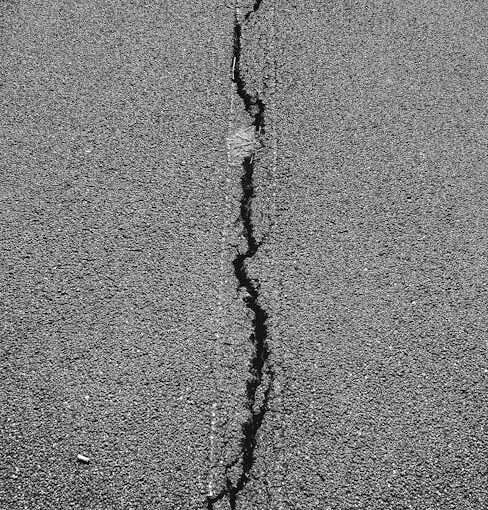
Neglecting asphalt maintenance can lead to significant issues, including cracking, potholes, and surface raveling. Regular maintenance not only extends the lifespan of your asphalt but also saves you money in the long run by avoiding costly repairs.

Top Asphalt Paving Maintenance Tips for 2025

1. Regular Inspections

Conducting regular inspections is the first step in effective asphalt maintenance. Look for signs of distress, such as cracks, flaking, or depressions. Schedule inspections at least twice a year, preferably in spring and fall, to catch any issues early.

2. Prompt Repairs

Addressing minor issues promptly can prevent them from escalating. For example, small cracks can be filled with crack sealants, while larger potholes require patching. Timely repairs not only improve the appearance of your asphalt but also protect it from moisture infiltration, which can lead to further damage.

3. Sealcoating

Sealcoating is a vital maintenance procedure that protects asphalt from the elements, including UV rays, water, and chemicals. It is recommended to apply a sealcoat every 2-3 years, depending on traffic and weather conditions. This process not only extends the life of your asphalt but also enhances its appearance.

4. Proper Drainage

Effective drainage is crucial for maintaining asphalt surfaces. Standing water can weaken the asphalt structure and lead to cracks and potholes. Ensure that your property has proper grading and drainage systems in place to direct water away from asphalt surfaces.

5. Regular Cleaning

Keep your asphalt clean by removing debris, leaves, and trash. Regular cleaning prevents the buildup of dirt and grime that can contribute to surface deterioration. Use a broom or blower for light cleaning and power washing for more thorough cleaning.

6. Monitor Traffic Loads

Understanding the traffic loads your asphalt surface endures is essential for maintaining its integrity. Heavy vehicles can cause more wear and tear. Consider using asphalt that is designed for higher traffic loads in areas where heavy vehicles are common.

7. Consider Temperature Effects

Temperature fluctuations can affect asphalt performance. During extreme heat, asphalt can soften, leading to raveling, while cold temperatures can cause brittleness and cracking. Be mindful of seasonal changes and plan maintenance accordingly.

Frequently Asked Questions (FAQs)

What are the signs that my asphalt needs maintenance?

Signs include visible cracks, potholes, surface raveling, and water pooling. Regular inspections can help identify these issues early.

How often should I sealcoat my asphalt?

It is generally recommended to sealcoat every 2-3 years, but this can vary based on traffic and environmental factors.

Can I perform asphalt maintenance myself?

While minor repairs like crack sealing can be done by property owners, it is advisable to hire professionals for larger repairs or sealcoating to ensure proper application and effectiveness.

Conclusion

Maintaining asphalt paving is essential for extending its lifespan and ensuring safety for users. By following these tips—regular inspections, prompt repairs, sealcoating, proper drainage, regular cleaning, monitoring traffic loads, and considering temperature effects—you can keep your asphalt surfaces in excellent condition. For professional assistance, contact Maisano Bros to explore our asphalt maintenance services and ensure your pavement lasts for years to come. Share your thoughts or experiences in the comments below, and let us help you unlock the longevity of your asphalt paving!

Top 5 Asphalt Paving Trends for 2025: Upgrade Your Driveway!

Introduction

As we step into 2025, the asphalt paving industry is witnessing significant transformations driven by technological advancements, sustainability efforts, and evolving consumer preferences. For homeowners looking to upgrade their driveways, staying informed about the latest trends is essential. This blog post explores the top five asphalt paving trends for 2025, providing insights into how these trends can enhance the longevity and aesthetic appeal of your driveway.

1. Sustainable Asphalt Practices

Environmental consciousness is on the rise, and the asphalt industry is responding with sustainable practices. In 2025, homeowners can expect to see an increase in the use of recycled asphalt pavement (RAP). This method not only reduces waste but also lowers costs and energy consumption during production.

The Benefits of RAP

  • Cost-effectiveness: Using recycled materials can significantly reduce the overall cost of paving projects.
  • Environmental impact: Incorporating RAP minimizes the need for new raw materials, leading to less environmental disruption.
  • Performance: Modern techniques ensure that recycled asphalt performs just as well as new asphalt, ensuring durability and longevity.

2. Advanced Asphalt Technologies

Technological innovations are reshaping how asphalt is produced and applied. In 2025, we will witness the increased adoption of technologies such as warm-mix asphalt (WMA) and polymer-modified asphalts.

Warm-Mix Asphalt

WMA is produced at lower temperatures, reducing energy use and emissions during production. This trend is not only beneficial for the environment but also enables contractors to work in a wider range of temperatures, improving project timelines.

Polymer-Modified Asphalts

These asphalts enhance the performance of the pavement by improving flexibility and resistance to cracking. Homeowners can expect driveways that withstand harsh weather conditions and heavy traffic.

3. Enhanced Aesthetic Options

In 2025, aesthetics play a vital role in asphalt paving. Homeowners are increasingly looking for unique and visually appealing driveways that complement their homes. Decorative asphalt options, including stamped and colored asphalts, are gaining popularity.

Decorative Asphalt Techniques

  • Stamped Asphalt: This technique mimics the look of brick or stone, providing a high-end appearance without the associated costs.
  • Colored Asphalt: Adding pigments to asphalt allows for a variety of color options, enabling homeowners to personalize their driveways.

4. Permeable Asphalt Solutions

With increasing concerns about stormwater runoff and urban flooding, permeable asphalt solutions are becoming a crucial trend in 2025. This type of pavement allows water to pass through, reducing runoff and promoting groundwater recharge.

Advantages of Permeable Asphalt

  • Stormwater Management: Permeable asphalt helps manage stormwater effectively, reducing the risk of flooding.
  • Environmental Benefits: This type of paving can filter pollutants from water before it enters the groundwater system.

5. Smart Technology Integration

The integration of smart technology in asphalt paving is set to revolutionize the industry. In 2025, we can expect to see more driveways equipped with smart sensors that monitor conditions such as temperature and moisture.

Benefits of Smart Technology

  • Real-time monitoring: Homeowners can receive alerts about potential issues, such as cracks or water pooling.
  • Maintenance optimization: Smart technology can help schedule maintenance proactively, extending the lifespan of the driveway.

Conclusion

As we explore the top asphalt paving trends for 2025, it’s clear that innovation and sustainability are at the forefront of the industry. Homeowners looking to upgrade their driveways can benefit from these advancements, ensuring their investments are not only aesthetically pleasing but also environmentally friendly and durable.

For more information on how these trends can be applied to your driveway, or to schedule a consultation, visit Maisano Bros. Share your thoughts or experiences with asphalt paving in the comments below, and let us help you make your driveway the best it can be!

Unlocking Longevity: Top 5 Asphalt Maintenance Tips for 2025

Asphalt surfaces are a vital part of our infrastructure, from roads and parking lots to driveways and runways. Proper maintenance is crucial to extending the lifespan of these surfaces, especially in 2025, where environmental factors and heavy usage can take a toll. In this post, we will explore the top five asphalt maintenance tips that can help you unlock longevity for your asphalt surfaces. By following these guidelines, you can ensure that your asphalt remains in optimal condition, reducing repair costs and enhancing safety.

1. Regular Inspections

One of the most effective ways to maintain asphalt is through regular inspections. By routinely checking for cracks, potholes, and other damage, you can catch issues early before they develop into more costly repairs. Inspections should be performed at least twice a year, ideally in the spring and fall when weather conditions are stable.

During an inspection, look for:

  • Cracks: These can allow water to seep in, causing further deterioration.
  • Potholes: These not only damage your asphalt but can also pose safety hazards.
  • Surface wear: Check for ruts or depressions that indicate wear and tear.

2. Sealcoating

Sealcoating is a protective layer applied to asphalt surfaces. It acts as a barrier against the elements, including UV rays, water, and oil spills. Applying sealcoat every 2-3 years can significantly extend the life of your asphalt by preventing oxidation and damage from moisture.

When sealcoating:

  1. Choose a high-quality sealant that suits your specific surface type.
  2. Ensure the surface is clean and dry before application.
  3. Follow the manufacturer’s instructions for optimal results.

3. Crack Filling

Filling cracks promptly is essential to prevent water infiltration and further damage. Small cracks can expand over time, leading to larger issues and more expensive repairs. Use a hot or cold crack filler depending on the size of the crack and the weather conditions.

Steps for effective crack filling include:

  • Cleaning the crack thoroughly to remove debris and vegetation.
  • Applying the filler according to the manufacturer’s instructions.
  • Allowing sufficient drying time before using the surface.

4. Proper Drainage

Drainage is critical for maintaining asphalt surfaces. Poor drainage can lead to water pooling, which can weaken the surface and increase the risk of damage. Ensure that your asphalt is graded correctly to promote water runoff.

To improve drainage:

  • Inspect and clear any nearby drains or gutters.
  • Consider installing additional drainage solutions, such as French drains, if necessary.
  • Ensure that the surrounding landscape directs water away from the asphalt surface.

5. Professional Maintenance Services

While DIY maintenance can help, hiring professional asphalt maintenance services can ensure that your asphalt is properly cared for. Professionals have the experience and equipment to perform tasks like sealcoating, crack filling, and patching more efficiently than most property owners.

When choosing a professional service, consider:

  • Their experience and reputation in the industry.
  • Reviews and testimonials from previous clients.
  • The range of services they offer and whether they can handle your specific needs.

Conclusion

Maintaining asphalt surfaces is essential for longevity and safety. By following these five tips—conducting regular inspections, sealcoating, filling cracks, ensuring proper drainage, and seeking professional services—you can maximize the lifespan of your asphalt investments. For more information on asphalt maintenance services, visit Maisano Bros and discover how we can help you keep your asphalt in top condition.

Do you have experiences or tips on asphalt maintenance? Share your thoughts in the comments below or contact us for a consultation!

Top 5 Asphalt Paving Trends Transforming Driveways in 2025

As the asphalt paving industry continues to evolve, new trends emerge that not only enhance the aesthetic appeal of driveways but also improve functionality and sustainability. In 2025, homeowners and contractors alike are leaning towards innovative techniques and materials that redefine what a driveway can be. In this blog post, we will explore the top five asphalt paving trends that are transforming driveways this year.

1. Sustainable Materials and Practices

As environmental concerns grow, the asphalt paving industry is focusing on sustainability. The use of recycled materials in asphalt mixtures is becoming increasingly popular. Reclaimed asphalt pavement (RAP) allows contractors to reuse existing materials, reducing waste and conserving resources. Studies show that incorporating RAP can save up to 30% on raw material costs while minimizing the environmental impact.

Benefits of Sustainable Paving

  • Reduces landfill waste
  • Decreases carbon footprint
  • Cost-effective for homeowners

For more information on sustainable paving options, check out our Sustainable Paving Options page.

2. Permeable Asphalt Solutions

Permeable asphalt is gaining traction as a solution for effective stormwater management. Unlike traditional asphalt, permeable asphalt allows water to percolate through the surface, reducing runoff and improving groundwater recharge. This trend is particularly beneficial in urban areas where impervious surfaces contribute to flooding and water pollution.

How Permeable Asphalt Works

The installation of permeable asphalt involves creating a porous surface that enables rainwater to seep through. This not only helps manage stormwater but also reduces the heat island effect commonly found in urban environments.

3. Enhanced Aesthetic Options

Homeowners are increasingly looking for ways to personalize their driveways. In 2025, decorative asphalt options such as stamped patterns, color variations, and texture treatments are becoming more mainstream. These enhancements allow for improved curb appeal and can complement the overall design of a property.

Popular Decorative Techniques

  • Stamped asphalt to mimic brick or stone
  • Colored asphalt for a unique look
  • Textured finishes to enhance grip and safety

Explore our Decorative Asphalt Services to see how we can help you create a stunning driveway.

4. Smart Technology Integration

The integration of smart technology into asphalt paving is a trend that is rapidly gaining momentum. From smart sensors that monitor pavement condition to apps that assist with maintenance scheduling, technology is transforming how we manage driveways. These advancements allow for proactive maintenance, which can extend the lifespan of asphalt surfaces.

Examples of Smart Technology

  • Temperature sensors to monitor asphalt curing
  • Mobile apps for scheduling maintenance
  • Data analytics for performance tracking

5. Resilient Asphalt Mixes

Asphalt mixes are evolving to include more resilient materials that can withstand extreme weather conditions. The introduction of polymer-modified asphalt improves flexibility and durability, making it ideal for areas with fluctuating temperatures. These resilient mixes help reduce cracking and extend the lifespan of driveways, providing long-term value for homeowners.

The Importance of Resilient Materials

By using advanced materials, contractors can create driveways that are not only visually appealing but also engineered to last. This shift towards resilient asphalt is a response to the increasing demands of climate change and the need for sustainable infrastructure.

Conclusion

As we move further into 2025, the asphalt paving industry is embracing innovation and sustainability. From using recycled materials to integrating smart technologies, these trends are transforming the way driveways are designed and constructed. Homeowners looking to invest in their properties should consider these emerging trends to ensure their driveways are not only functional but also environmentally friendly and aesthetically pleasing.

For more information about our asphalt paving services and to learn how we can help you implement these trends in your driveway, visit Maisano Bros today!

What trends are you excited about? Leave a comment below to share your thoughts or experiences with asphalt paving!

Top 5 Asphalt Paving Trends Transforming Roads in 2025

As we venture deeper into 2025, the landscape of asphalt paving is transforming as new technologies, environmental considerations, and innovative practices come to the forefront. This blog post delves into the top five asphalt paving trends that are reshaping our roads, making them more durable, sustainable, and efficient. Whether you are a contractor, a city planner, or merely a curious reader, these insights will provide valuable knowledge about the future of asphalt paving.

1. Sustainable Asphalt Solutions

One of the most significant trends in asphalt paving today is the shift towards sustainable practices. The asphalt industry is increasingly focused on reducing its carbon footprint and promoting environmental responsibility. This includes the use of recycled asphalt pavement (RAP) and warm-mix asphalt (WMA).

Recycled Asphalt Pavement (RAP)

RAP is created by reprocessing existing asphalt pavements, allowing for the reuse of materials while minimizing waste. According to the Asphalt Institute, utilizing RAP can significantly lower the demand for new asphalt materials, which reduces energy consumption and greenhouse gas emissions.

Warm-Mix Asphalt (WMA)

WMA technologies allow asphalt to be produced and laid at lower temperatures than traditional hot-mix asphalt. This reduces emissions during production and improves the working environment for paving crews. Cities like San Francisco and Denver have successfully implemented WMA, demonstrating its viability and effectiveness.

2. Smart Paving Technologies

In 2025, the integration of smart technologies into asphalt paving is becoming increasingly prevalent. These innovations enhance the efficiency and effectiveness of paving operations.

GPS and Robotics

GPS technology is being used for precise paving operations, ensuring that asphalt is laid accurately and efficiently. Robotics are also making their way into the industry, automating processes that were previously labor-intensive. For example, automated pavers equipped with sensors can adjust their operations in real-time, optimizing material usage and minimizing waste.

Digital Project Management

Digital tools enable better project management and communication among stakeholders. Software solutions provide real-time data on project progress, material usage, and environmental impact, helping contractors and municipal planners make informed decisions.

3. Enhanced Durability Through Advanced Materials

Asphalt paving is evolving with the introduction of advanced materials that enhance durability and performance. These materials are designed to withstand increasing traffic loads and extreme weather conditions.

Polymer-Modified Asphalt

Polymer-modified asphalt (PMA) incorporates polymers into the asphalt mix, improving its elasticity and resistance to cracking. This makes PMA an ideal choice for high-traffic areas and climates with severe temperature fluctuations.

Nanotechnology in Asphalt

Nano-engineered materials are being introduced into asphalt mixes to enhance their properties. These innovations allow for better adhesion, lower permeability, and improved resistance to aging, leading to longer-lasting pavements.

4. Focus on Noise Reduction

As urban areas grow, noise pollution has become a significant concern. Asphalt paving solutions are now being designed with noise reduction in mind.

Quiet Pavements

Quiet pavements are engineered to minimize tire noise, providing a more pleasant experience for residents living near busy roads. Techniques such as porous asphalt and rubberized asphalt are gaining popularity for their ability to absorb sound.

Testing and Implementation

Several cities across the United States are testing quiet pavement technologies to assess their effectiveness. For instance, the Maisano Bros team has been involved in projects utilizing quiet asphalt solutions, demonstrating their commitment to community welfare.

5. Regulatory Changes and Infrastructure Investment

With the ongoing push for better infrastructure, regulatory changes are influencing the asphalt paving industry. Governments are increasing investments in road maintenance and rehabilitation, leading to more projects and opportunities for asphalt contractors.

Infrastructure Bills

Legislation aimed at improving infrastructure is being passed in various regions, allocating funds for road repairs and upgrades. This has increased demand for quality asphalt paving services.

Compliance and Standards

As regulations evolve, contractors must stay informed about changes in compliance standards related to materials, safety, and environmental impact. Keeping abreast of these changes is essential for successful project execution.

Conclusion

The asphalt paving industry is in the midst of a transformation, driven by sustainability, technology, and a focus on durability. As we embrace these trends in 2025, it becomes clear that the future of paving is not just about laying down asphalt but about creating smart, sustainable, and resilient roads. If you’re looking for reliable asphalt services that integrate these innovative practices, contact Maisano Bros today for a consultation or to learn more about our services.

We invite you to share your thoughts on these trends in the comments below. What changes do you see in the asphalt industry? How do you think these trends will impact your community?

Unlocking Longevity: Essential Asphalt Maintenance Tips for 2025

Introduction

Asphalt surfaces are a crucial component of our infrastructure, providing smooth and durable roadways, parking lots, and driveways. However, like any material, asphalt requires regular maintenance to prolong its lifespan and ensure optimal performance. In this blog post, we’ll explore essential asphalt maintenance tips for 2025 that will help you unlock the longevity of your asphalt surfaces. By implementing these strategies, you will not only enhance the aesthetic appeal of your property but also save money by reducing the need for costly repairs.

Understanding Asphalt and Its Lifespan

Asphalt is a composite material made up of a mixture of aggregates, binder, and filler. It is known for its durability, flexibility, and ability to withstand various weather conditions. However, the lifespan of asphalt surfaces can be significantly affected by environmental factors, traffic loads, and maintenance practices. On average, asphalt surfaces can last between 15 to 30 years, depending on the quality of installation and the maintenance performed.

1. Regular Inspections

Conducting regular inspections is vital to identifying potential issues before they escalate. Aim to perform inspections at least twice a year, ideally in the spring and fall. Look for cracks, potholes, and signs of wear. Early detection allows for timely repairs, preventing further damage.

Why Inspections Matter

  • Cost-Effective: Addressing minor issues early can save you money on more extensive repairs later.
  • Safety: Regular inspections help identify hazards that could cause accidents.
  • Longevity: Consistent monitoring contributes to the overall lifespan of your asphalt.

2. Crack Sealing

Cracks are one of the most common forms of damage to asphalt surfaces. If left untreated, these cracks can expand, leading to more significant issues like potholes. Crack sealing involves filling in these crevices using specialized sealants.

When to Seal Cracks

It’s best to seal cracks as soon as they appear. Look for cracks that are wider than 1/4 inch, as they typically indicate a more serious issue. Professional services can ensure that the sealing is done correctly and effectively.

3. Sealcoating

Sealcoating is a protective layer applied to asphalt surfaces to shield them from harmful UV rays, moisture, and oil spills. This process is essential for maintaining the aesthetics and integrity of your asphalt.

Benefits of Sealcoating

  • UV Protection: Protects against sun damage that can cause fading and cracking.
  • Water Resistance: Helps prevent water penetration, which can lead to freeze-thaw cycles that damage the asphalt.
  • Cost-Effective Maintenance: Regular sealcoating can extend the lifespan of your asphalt, reducing long-term maintenance costs.

4. Proper Drainage

Effective drainage is crucial in maintaining asphalt surfaces. Water pooling on asphalt can lead to damage over time. Ensure that your property has adequate drainage solutions, such as gutters, drains, and sloped surfaces, to direct water away from asphalt areas.

Signs of Poor Drainage

  • Puddles forming after rain
  • Cracks and potholes developing in low-lying areas
  • Excessive vegetation growth along asphalt edges

5. Routine Cleaning

Keeping your asphalt surfaces clean is essential for preventing deterioration. Regular sweeping to remove debris, leaves, and dirt can prevent the buildup of moisture and protect the surface.

Cleaning Methods

Consider using the following methods for routine cleaning:

  • Power Washing: Effective for removing stubborn stains and grime.
  • Hand Sweeping: Ideal for regular maintenance, especially in residential areas.

6. Avoid Heavy Loads

Asphalt is designed to withstand certain weight limits. Avoid parking heavy vehicles on asphalt surfaces for extended periods, as this can lead to deformation and cracking.

Tips for Managing Heavy Loads

  • Designate parking areas for heavy vehicles away from asphalt surfaces.
  • Monitor weight limits for any new asphalt installations.

7. Professional Maintenance Services

While DIY maintenance can help, professional services are often necessary for more extensive repairs and maintenance tasks. Professionals have the skills and equipment needed to assess and address significant issues effectively.

When to Call the Professionals

Consider professional services for:

  • Major crack repair
  • Sealcoating applications
  • Pothole repairs

Conclusion

By implementing these essential asphalt maintenance tips for 2025, you can significantly extend the life of your asphalt surfaces. Regular inspections, timely repairs, and professional maintenance will keep your asphalt looking great and performing well for years to come. For more information on asphalt maintenance services, explore our offerings at Maisano Bros and contact us for a consultation today!

Frequently Asked Questions

How often should I seal my asphalt?

Generally, it is recommended to seal asphalt every 2-3 years, depending on wear and weather conditions.

What can I do to prevent cracks from forming?

Regular inspections, prompt repairs, and sealcoating can help prevent cracks from forming.

If you have more questions or would like to share your experiences with asphalt maintenance, please leave a comment below!

Mastering Asphalt Paving: 7 Essential Tips for Longevity in 2025

Asphalt paving is a crucial element in road construction, parking lots, and other surfaces that require durability and longevity. In 2025, as the demand for sustainable and efficient paving solutions increases, mastering the art of asphalt paving becomes essential for contractors, property owners, and engineers alike. In this blog post, we will explore seven essential tips that can significantly enhance the longevity of asphalt pavements.

1. Choose the Right Asphalt Mix

One of the foundational steps in ensuring the durability of any asphalt pavement is selecting the appropriate asphalt mix. Different projects may require different mixes based on factors such as expected traffic loads, climate conditions, and specific use cases. For instance, the dense-graded asphalt is versatile and can withstand various conditions, making it a popular choice for many applications.

2. Proper Surface Preparation

Before laying down asphalt, it’s vital to prepare the surface adequately. This includes removing any existing debris, vegetation, or old pavement that could compromise the new layer. Ground stability is also critical; if the subgrade is weak or unstable, it can lead to future cracking and surface failure. Consider performing a subgrade analysis to ensure a solid foundation for your asphalt.

3. Ensure Optimal Compaction

Compaction is a crucial step in the asphalt paving process. It helps achieve the necessary density required for durability. Insufficient compaction can lead to premature failure, such as rutting or cracking. Therefore, using quality equipment and ensuring the right compaction techniques can enhance the lifespan of the pavement. Using a vibratory roller during the compaction process can be particularly effective in achieving the desired results.

4. Control Temperature During Installation

Temperature plays a critical role in the performance of asphalt. The ideal laying temperature for asphalt is between 250°F and 300°F. If the temperature is too low during installation, the asphalt may not bond properly, leading to early surface deterioration. Conversely, if the asphalt is too hot, it may become too malleable, resulting in deformation. Therefore, monitoring weather conditions and using temperature-sensitive equipment is essential for a successful paving job.

5. Implement Effective Drainage Solutions

Proper drainage is vital to prolonging the life of asphalt pavements. Water accumulation on the surface can lead to a host of problems, including cracking and potholes. Installing adequate drainage systems, such as curb and gutter systems or sloping surfaces to direct water away from the pavement can prevent moisture-related issues. It’s also essential to maintain these drainage systems to ensure they function correctly over time.

6. Schedule Regular Maintenance

Even the best-laid asphalt surfaces require regular maintenance to ensure their longevity. This includes sealcoating every few years and addressing minor issues like cracks and potholes promptly. Regular maintenance not only extends the life of the asphalt but also saves money in the long run. Consider creating a maintenance schedule tailored to the specific usage and environmental conditions of your asphalt surface.

7. Educate Users on Care

Finally, educating users on how to care for the asphalt surface can significantly impact its longevity. This includes advising against heavy loads during the first few weeks after installation, regular cleaning to remove debris, and understanding the importance of proper drainage. An informed user is more likely to treat the pavement with care, ultimately preserving its integrity.

Conclusion

By following these seven essential tips, you can master the art of asphalt paving and ensure the longevity of your pavements in 2025 and beyond. Investing time and resources into proper installation, maintenance, and user education will pay off in the long run, resulting in durable, high-quality asphalt surfaces. For more information on asphalt paving services, visit Maisano Bros at maisanobros.com or contact us for a consultation. We’re here to help you achieve the best results for your paving projects!

Top 5 Asphalt Paving Trends to Watch in 2025

As the asphalt paving industry continues to evolve, 2025 brings a host of exciting trends that professionals and consumers alike should keep an eye on. In this blog post, we will explore the top five asphalt paving trends that are reshaping the landscape of this critical industry. From innovative materials to sustainable practices, these trends are set to define the future of asphalt paving.

1. Sustainable Asphalt Solutions

As environmental concerns grow, the demand for sustainable asphalt solutions is increasing. In 2025, we can expect to see a significant shift towards using recycled materials in asphalt production. This trend not only helps reduce waste but also lowers the carbon footprint associated with asphalt paving.

Key sustainable practices include:

  • Reclaimed Asphalt Pavement (RAP): Utilizing RAP in new asphalt mixtures can lower costs and improve sustainability.
  • Warm Mix Asphalt (WMA): This technology allows asphalt to be produced and laid at lower temperatures, reducing energy consumption and emissions.
  • Bio-based Additives: Incorporating bio-based materials into asphalt can enhance performance while being eco-friendly.

2. Smart Technology Integration

The integration of smart technology in asphalt paving is another trend that is gaining momentum in 2025. From advanced sensors to data analytics, these technologies are revolutionizing how paving projects are managed.

Some notable advancements include:

  • Real-time Monitoring: Sensors embedded in paving machines can monitor temperature, compaction, and material flow, ensuring optimal conditions for asphalt application.
  • Project Management Software: Advanced software solutions facilitate better planning, scheduling, and resource allocation, leading to improved efficiency.
  • Drone Technology: Drones are being used for site surveys and inspections, providing aerial views that help in project management.

3. Enhanced Performance through Polymer Modification

In 2025, we are likely to see an increase in the use of polymer-modified asphalt, which enhances the performance characteristics of asphalt mixes. Polymer modification improves elasticity, durability, and resistance to cracking.

Benefits of polymer-modified asphalt include:

  • Increased Lifespan: Enhanced resistance to wear and tear translates to longer-lasting pavements.
  • Better Performance in Extreme Weather: Polymer-modified asphalt performs better under extreme temperature fluctuations, making it ideal for diverse climates.
  • Improved Skid Resistance: This modification can enhance surface texture, contributing to safety on roadways.

4. Focus on Safety and Compliance

Safety regulations and compliance are becoming increasingly important in the asphalt paving industry. In 2025, companies will prioritize safety measures to protect workers and the public during paving operations.

Key areas of focus will include:

  • Training Programs: Enhanced training for workers on safety protocols and best practices will be essential.
  • Use of Personal Protective Equipment (PPE): Ensuring that all workers are equipped with the necessary PPE to minimize risks.
  • Compliance with Local Regulations: Staying updated with local, state, and federal safety regulations will be crucial for paving companies.

5. Customization and Aesthetic Enhancements

Lastly, the trend towards customization and aesthetic enhancements in asphalt paving is set to continue in 2025. Consumers are increasingly looking for unique and visually appealing pavement solutions.

Some popular customization options include:

  • Colored Asphalt: Integrating color pigments into asphalt mixes allows for visually striking designs.
  • Textured Surfaces: Using stamping and other techniques to create textured surfaces enhances both aesthetics and functionality.
  • Incorporation of Logos and Designs: Companies can now incorporate logos and designs into asphalt surfaces for branding purposes.

Conclusion

As we look ahead to 2025, these trends highlight the asphalt paving industry’s commitment to innovation, sustainability, and safety. By embracing these advancements, paving professionals can improve their services, meet consumer demands, and contribute to a more sustainable future.

At Maisano Bros, we are dedicated to staying at the forefront of these trends, offering the latest in asphalt paving solutions. If you have any questions about how these trends might affect your next project, or if you’re interested in learning more about our services, please contact us today. We look forward to hearing from you!

Top 5 Asphalt Paving Trends Transforming Your Driveway in 2025

Introduction

As we step into 2025, the landscape of asphalt paving is evolving rapidly, driven by technological advancements, sustainability initiatives, and changing consumer preferences. Homeowners seeking to enhance their driveways are now presented with a variety of innovative solutions that not only improve aesthetics but also increase durability and environmental sustainability. In this blog post, we will explore the top five asphalt paving trends transforming driveways this year, helping you stay ahead of the curve while making informed decisions for your home.

1. Sustainable Asphalt Solutions

With increasing awareness of environmental issues, sustainable asphalt solutions are gaining traction. Recycled asphalt pavement (RAP) is now more widely adopted, allowing for the reuse of existing materials in new paving projects. This not only reduces waste but also lowers costs and minimizes the carbon footprint associated with new asphalt production.

In addition to RAP, many companies are incorporating warm-mix asphalt (WMA) technologies, which enable paving at lower temperatures. This method reduces energy consumption and emissions during production and application, making it a more environmentally friendly choice. As homeowners become more eco-conscious, opting for sustainable paving materials will become a key trend.

2. Advanced Asphalt Technologies

The integration of advanced technologies into asphalt paving is revolutionizing the industry. Smart pavement technologies, such as embedded sensors, are being used to monitor pavement conditions in real-time. These sensors can provide insights into traffic patterns, temperature changes, and overall pavement health, allowing for timely maintenance and repairs.

Moreover, the use of high-performance asphalt mixtures is on the rise. These mixtures are designed to withstand extreme weather conditions and heavy traffic loads, significantly extending the lifecycle of driveways. Homeowners can benefit from these innovations by investing in durable materials that promise long-term savings on maintenance.

3. Aesthetic Customization Options

Today’s homeowners are increasingly focused on enhancing the visual appeal of their driveways. Aesthetic customization options, such as colored asphalt, stamped patterns, and decorative borders, are becoming popular choices. These options allow homeowners to create personalized driveways that complement their home’s architecture and landscaping.

Additionally, the use of permeable asphalt is gaining popularity for its dual benefits of aesthetics and functionality. Permeable asphalt allows rainwater to seep through, reducing runoff and promoting groundwater recharge, while also offering a unique look that can be tailored to fit any style.

4. Enhanced Drainage Solutions

Proper drainage is critical in preventing water accumulation and potential damage to asphalt surfaces. As such, innovative drainage solutions are becoming essential in asphalt paving projects. Homeowners are now opting for designs that incorporate drainage channels, trench drains, and permeable paving systems to manage stormwater effectively.

These enhanced drainage solutions not only protect the driveway from deterioration but also minimize the risk of flooding and erosion. By investing in proper drainage, homeowners can ensure that their driveways remain in excellent condition for years to come.

5. DIY Asphalt Maintenance Products

As homeowners become more proactive about home maintenance, the demand for DIY asphalt maintenance products is surging. Products such as sealants, crack fillers, and patching materials are now readily available, allowing homeowners to perform regular upkeep on their driveways.

These DIY solutions empower homeowners to extend the lifespan of their asphalt surfaces without incurring high professional service costs. However, it’s essential to choose high-quality products that match the specific needs of the driveway to ensure optimal results.

Conclusion

Asphalt paving is undergoing significant transformations in 2025, with sustainability, technology, aesthetics, and maintenance at the forefront of these changes. By staying informed about these trends, homeowners can make educated decisions that enhance their driveways while also contributing to a more sustainable future.

Are you ready to transform your driveway with the latest asphalt paving solutions? Explore our services at Maisano Bros and discover how we can help you achieve the perfect driveway. Contact us today for a consultation and let us assist you in creating a durable and beautiful asphalt surface!

FAQs

What is recycled asphalt pavement (RAP)?

Recycled asphalt pavement (RAP) is a sustainable paving material made from reclaimed asphalt surfaces that have been processed for reuse in new paving projects.

How can I maintain my asphalt driveway?

Regular maintenance includes sealing cracks, applying sealants, and clearing debris to prevent water accumulation. DIY maintenance products are available for homeowners to use.

For further reading, check out our article on asphalt care tips to keep your driveway in top condition.

Unlocking Longevity: Top Asphalt Maintenance Tips for 2025

Introduction

Asphalt surfaces are a critical component of modern infrastructure, providing durability and aesthetic appeal to roads, driveways, and parking lots. However, like any material, asphalt requires regular maintenance to ensure its longevity and performance. In 2025, with advancements in technology and an increasing focus on sustainability, implementing effective asphalt maintenance practices is more important than ever. This blog post will explore top asphalt maintenance tips that can help you unlock the longevity of your asphalt surfaces, keeping them in prime condition for years to come.

Understanding Asphalt and Its Needs

Asphalt is a composite material made from aggregates and a binder, typically petroleum-based. It serves as a flexible and durable pavement solution, but it is susceptible to environmental factors such as weather, traffic loads, and UV radiation. Understanding the nature of asphalt and the common issues it faces can guide effective maintenance.

Common Asphalt Issues

  • Cracking: Caused by temperature fluctuations and heavy traffic, cracks can quickly expand if not addressed.
  • Potholes: Formed from the freeze-thaw cycle and moisture infiltration, potholes can pose safety hazards and lead to further deterioration.
  • Raveling: The loss of aggregate due to wear and tear, leading to a rough surface and reduced traction.
  • Bleeding: Occurs when excessive binder rises to the surface, leading to a slick and unsafe pavement condition.

Top Asphalt Maintenance Tips for 2025

To maintain asphalt surfaces effectively, consider the following strategies that incorporate both traditional practices and modern innovations.

1. Regular Inspection

Conduct regular inspections at least twice a year or after significant weather events. Look for cracks, potholes, and signs of raveling. Early detection of issues allows for timely repairs, which can save significant costs in the long run.

2. Sealcoating

Sealcoating is a proactive maintenance technique that protects the asphalt surface from UV exposure, moisture, and chemicals. Applying a sealant every 2-3 years can extend the lifespan of your asphalt by preventing oxidation and deterioration. Be sure to choose a high-quality sealant that meets industry standards.

3. Crack Filling

Timely crack filling is crucial in preventing moisture infiltration that can lead to larger repairs. Use hot or cold crack fillers depending on the severity of the crack and the weather conditions. This simple yet effective maintenance task can double the lifespan of your asphalt.

4. Pothole Repair

Pothole repairs should be addressed immediately to prevent further damage. Options include cold patching for temporary fixes and hot mix asphalt for a more durable repair. Always ensure repairs are smooth and level with surrounding surfaces.

5. Drainage Management

Proper drainage is essential for asphalt longevity. Ensure that water drains away from the surface to minimize erosion and prevent pooling. Installing drainage systems or grading the surface can help manage water flow effectively.

6. Avoid Heavy Loads

Educate users about the impact of heavy vehicles on asphalt surfaces. Where possible, limit the weight of vehicles on driveways and parking lots to reduce stress and wear on the pavement.

7. Sustainable Practices

Incorporate sustainable practices by using recycled materials in asphalt or opting for warm-mix asphalt, which reduces energy consumption during production. These practices not only benefit the environment but also enhance the durability of your asphalt surfaces.

Frequently Asked Questions

What is the lifespan of asphalt?

With proper maintenance, asphalt can last 15-30 years. Regular inspections and timely repairs can significantly extend its lifespan.

Can I seal coat asphalt myself?

While it’s possible to seal coat asphalt yourself, hiring a professional can ensure a better finish and application of the right materials. Professionals can also identify underlying issues that need attention.

Conclusion

Maintaining asphalt surfaces is vital to ensuring their longevity and performance in 2025 and beyond. By implementing these maintenance tips, you can protect your investment and enhance the aesthetic appeal and safety of your asphalt. For more information on asphalt maintenance and to explore our services, visit Maisano Bros. If you have any questions or would like a consultation, feel free to contact us. Share your thoughts or experiences in the comments section below!